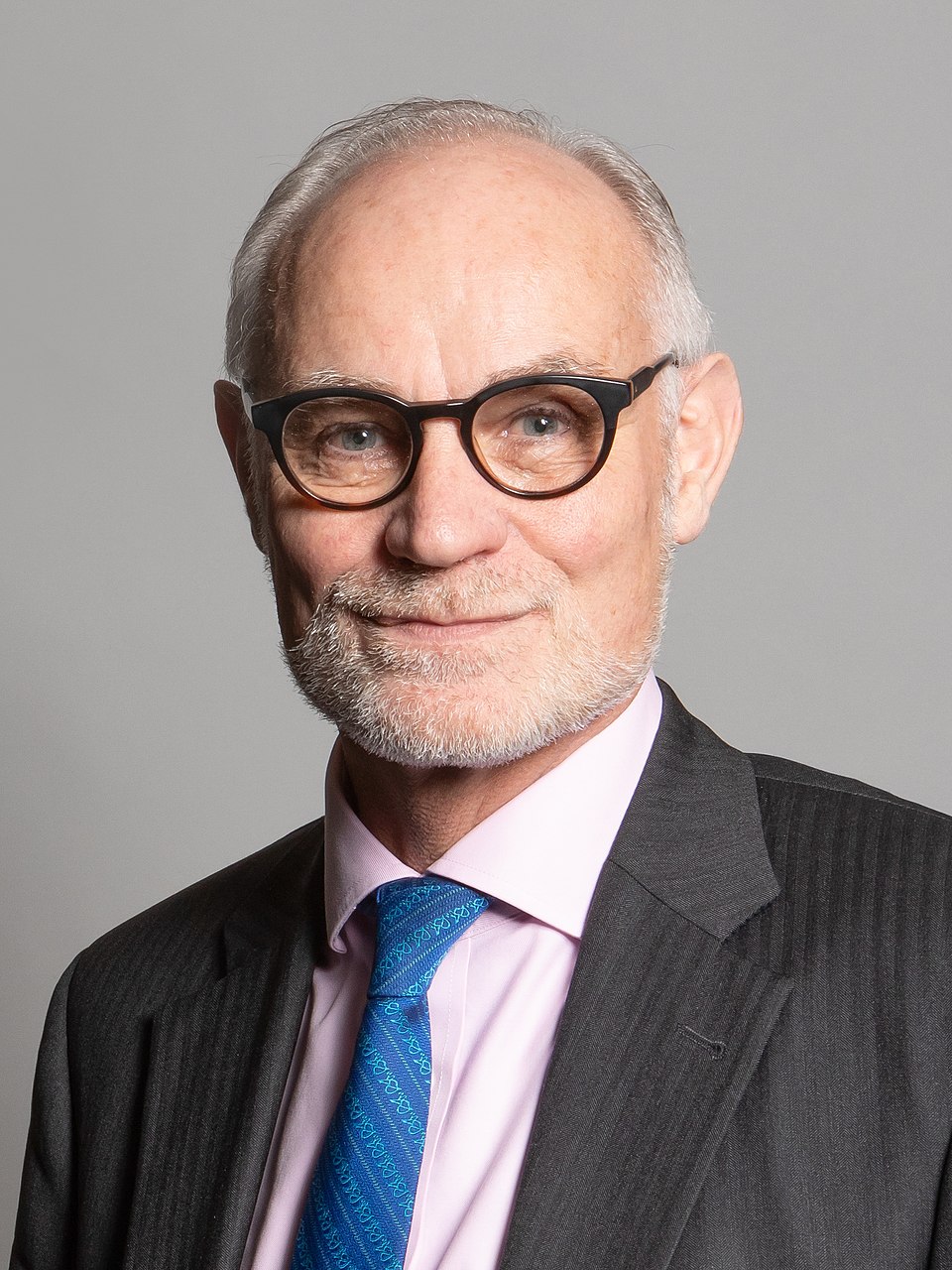
Crispin Blunt: Unveiling His Sexuality and the End of a Chapter
Crispin Blunt, a prominent figure in British politics for over two decades, has always been known for his distinctive voice and willingness to challenge the status quo. Serving as the Member of Parliament for Reigate from 1997 until 2024, his career has been marked by significant roles, including Parliamentary Under-Secretary of State for Prisons and Youth Justice and chair of the esteemed Foreign Affairs Select Committee. Beyond his parliamentary achievements, Blunt's personal life underwent a profound public transformation, notably his decision in 2010 to come out as gay, leading to the separation from his wife. This pivotal moment not only reshaped his private world but also sparked broader discussions about authenticity and acceptance within public life. The journey to understand Crispin Blunt's partner, his marriage, and his sexuality offers a compelling narrative of personal evolution under the public gaze.
Crispin Blunt's Distinguished Political Journey and Public Service
From Military Service to Parliament
Born in 1960, Crispin Blunt’s path to Westminster was paved with a decade of military service. Joining Sandhurst in 1979, he was commissioned into the 13th/18th Royal Hussars, a period that undoubtedly shaped his disciplined approach and forthright character. After leaving the forces, Blunt transitioned to politics, initially facing a setback in West Bromwich East in 1992. However, his perseverance paid off, serving as a special adviser to Defence Secretary Malcolm Rifkind before securing his seat in Reigate in the landmark 1997 general election – a rare victory for the Conservative Party on a night of significant losses. He succeeded the long-serving Sir George Gardiner, marking the beginning of a long and influential parliamentary career.
Key Roles and Controversies
Throughout his time in the House of Commons, Blunt carved out a reputation as an independent-minded politician, unafraid to express his convictions. He held key positions, including a ministerial role in the Ministry of Justice from 2010 to 2012, and later chaired the powerful Foreign Affairs Select Committee. His political career was not without its moments of contention. Blunt notably led rebellions against party leader Sir Iain Duncan Smith in 2003 and was an early and vocal critic of Liz Truss’s premiership. More recently, he drew attention for his controversial defence of a convicted ex-MP and for comments regarding the UK's potential complicity in war crimes in Gaza. These instances underscore his characteristic willingness to "speak his mind," often challenging prevailing opinions.
The Personal Revelation: Crispin Blunt's Coming Out and Marriage Split
One of the most significant chapters in Crispin Blunt's public and private life unfolded in August 2010. After nearly two decades of marriage to Victoria Jenkins, with whom he shares two children, Claudia and Frederick, Blunt made a candid public announcement. He revealed his intention to separate from his wife "in order to come to terms with his homosexuality." This declaration sent ripples through political circles and garnered significant media attention, offering a rare glimpse into the personal struggles and courage of a public figure. The revelation profoundly redefined the public's understanding of Crispin Blunt Partner relationships.
The Announcement and Its Impact
Blunt and Victoria Jenkins had married in September 1990 in Kensington. Their union had produced a daughter, Claudia, born in March 1992, and a son, Frederick, born in August 1994. The decision to separate, while deeply personal, became a public statement, highlighting the complex intersection of private identity and public responsibility for those in political office. While the couple remained separated, they did not proceed with a divorce, indicating a nuanced and perhaps amicable approach to their altered relationship. This period marked a crucial turning point for Blunt, allowing him to publicly acknowledge and embrace a fundamental aspect of his identity that he had previously kept private.
Navigating Personal and Public Life
For any public figure, a personal revelation of this magnitude carries immense weight. Blunt’s decision to openly discuss his sexuality exemplified a growing trend of authenticity among politicians, though it was still a relatively rare and brave step at the time. The transition from a heterosexual marriage to embracing his identity as a gay man was a profound personal journey, requiring immense courage and resilience. The public's interest in Crispin Blunt Partner: His Wife, Children, and Personal Life details naturally surged after this announcement, as people sought to understand the man behind the politician. It underlined the constant challenge for those in the public eye to balance their private lives with their professional personas. To delve deeper into the family dynamics and the specifics of his separation, one might explore Crispin Blunt's Wife: His Marriage, Separation, and Coming Out.
It's also worth noting the broader family connections; Crispin Blunt's niece is the renowned actress Emily Blunt, adding another layer to the public profile of his family.
Political Ramifications and Resilience
Deselection Scare and Reaffirmation
The impact of Blunt's personal revelation extended beyond his immediate family. In 2013, he faced a significant challenge to his political career when the Constituency Executive Council deselected him as the Conservative candidate for Reigate. Speculation was rife that this decision was directly linked to his public announcement of being gay. However, this attempt to unseat him met with strong opposition from local party members. In a remarkable show of support, a subsequent ballot of party members in Reigate overturned the deselection decision by an overwhelming margin of 5–1, reconfirming Blunt as their candidate. This event highlighted both the residual prejudices that can exist and, more importantly, the powerful capacity for acceptance and support within the political community and wider electorate.
Broader Context of LGBTQ+ Representation in Politics
Crispin Blunt's experience serves as a case study in the evolving landscape of LGBTQ+ representation in politics. His coming out, followed by the robust backing from his constituents, marked a significant moment for gay politicians in the UK. It demonstrated that personal identity, far from being a disqualifier, could be embraced by the electorate, leading to stronger mandates built on authenticity. This period helped to normalize the presence of openly gay individuals in positions of power, fostering an environment where politicians can be more open about who they are without fearing career-ending repercussions. His journey helped pave the way for others to feel more comfortable being their true selves in the demanding world of public service.
Understanding Public Figures and Personal Journeys
Empathy and Privacy in the Public Eye
The story of Crispin Blunt's journey, from his long-term marriage to his coming out, reminds us of the profound personal sacrifices and challenges faced by those who dedicate their lives to public service. While public figures are often scrutinized, it's crucial to approach their personal narratives with empathy and respect for their privacy. The decision to publicly share such intimate details is often not taken lightly and requires immense bravery. Understanding the pressures they face, and the courage it takes to live authentically in the glare of the media, can help foster a more compassionate public discourse.
The Evolving Political Landscape on Personal Matters
Crispin Blunt's experience reflects a broader shift in societal attitudes towards sexuality and personal identity. What might have been career-ending decades ago has, in many instances, become a testament to resilience and integrity. As society continues to evolve, the expectation for politicians to be transparent and authentic about their lives, including their relationships and sexual identity, grows. This shift ultimately contributes to a more representative and diverse political landscape, where leaders can connect with constituents on a deeper, more human level.
Crispin Blunt's story is a powerful reminder that behind every politician is a person navigating complex personal journeys. His decision to embrace his sexuality and the subsequent public support he received underscored a growing maturity in political culture regarding personal identity. While his political career has been marked by strong convictions and occasional controversy, his personal journey stands as a testament to courage, resilience, and the evolving nature of acceptance within British public life. The ongoing interest in Crispin Blunt partner details and his personal evolution reflects a society keen to understand the full person behind the public persona.